Leave, Return, Thrive: Keep Your Indoor Garden Happy While You’re Away
Today we dive into vacation-proofing your indoor garden, sharing practical strategies for extended absences so your plants stay strong, watered, and calm. Expect actionable steps, simple checklists, and friendly ideas covering hydration, light, airflow, pests, tech backups, and helpers—plus stories from real apartments and tiny homes to inspire confidence.

Know Your Green Companions Before You Lock the Door

Before leaving, map out each plant’s thirst, light tolerance, growth rate, and container size to predict how long it can safely coast. A quick inventory with labels, last-watered dates, and risk scores reveals which pots need wicks, which can fast, and which should visit a friend’s brighter windowsill temporarily.

Water That Waits: Reliable Hydration Methods

There are many ways to keep moisture steady while you’re gone, from capillary wicks and self-watering planters to capillary mats and the classic bathtub setup. Balance ease, cost, and reliability, then test every solution a week early so adjustments happen before your luggage is zipped.

DIY Wick and Reservoir: Quiet, Cheap, Effective

Thread cotton cord from a water jug into the root zone, ensuring good contact with moist soil. Elevate the reservoir slightly above pot level for consistent flow, loop cords to increase capacity, then cover with foil or a lid to reduce evaporation and accidental algae blooms during your absence.

Capillary Mats and the Bathtub Oasis

Line a tray or a clean tub with a capillary mat, pre-soak thoroughly, then place bottom-holed pots directly on the fabric. Add a shallow water reserve at one end to feed the mat, ensuring no standing water floods roots, and group plants by similar thirst so uptake stays predictable.

Self-Watering Planters and Calibrated Spikes

Fill reservoirs to manufacturer lines, prime wicks, and test flow by monitoring weight loss over forty-eight hours. For bottle spikes, pre-puncture tiny holes, invert securely, and bury just enough to anchor. Label everything, photograph the setup, and note expected durations so anyone checking understands your chosen cadence.

Light, Temperature, and Airflow: Calm, Consistent Conditions
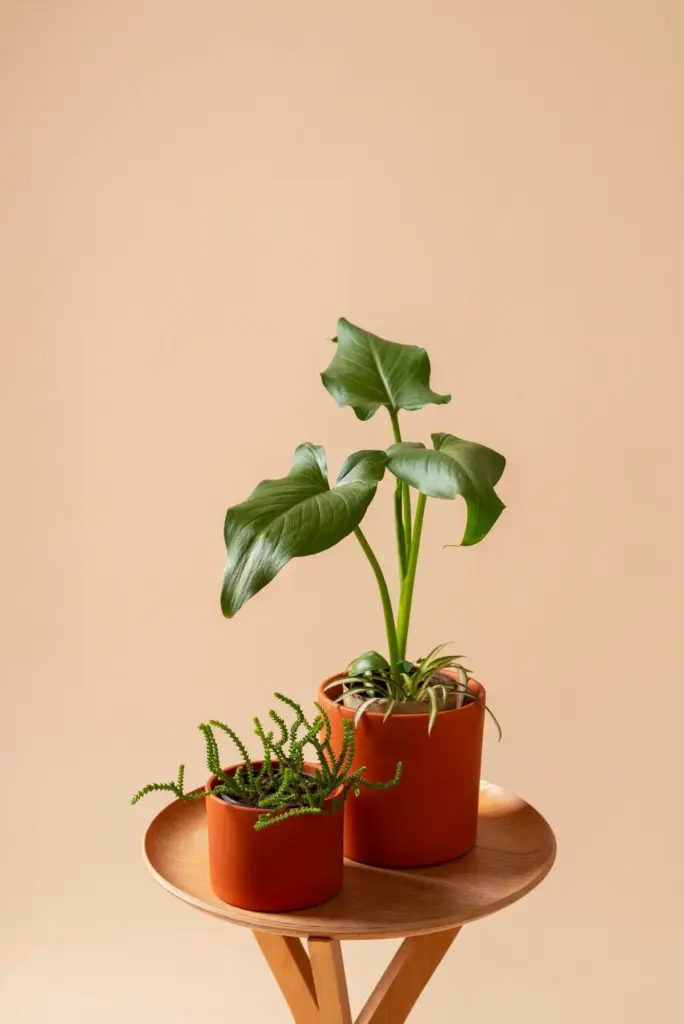
Because plants crave stability, set predictable photoperiods with timers, smooth temperature swings, and keep gentle air moving. Grouping plants creates mini microclimates that reduce stress. A few tiny adjustments can prevent the cascade of wilt, fungus, and leaf drop that often follows abrupt environmental surprises.

Timers and Thoughtful Placement

Choose reliable mechanical or digital timers and set twelve to fourteen hours for most grow lights, unless your species prefers less. Pull plants a foot from harsh windows, tilt blinds to diffuse rays, and move away from radiators or drafts so your carefully measured hydration plans remain accurate.

Thermostats, Humidity, and Microclimates
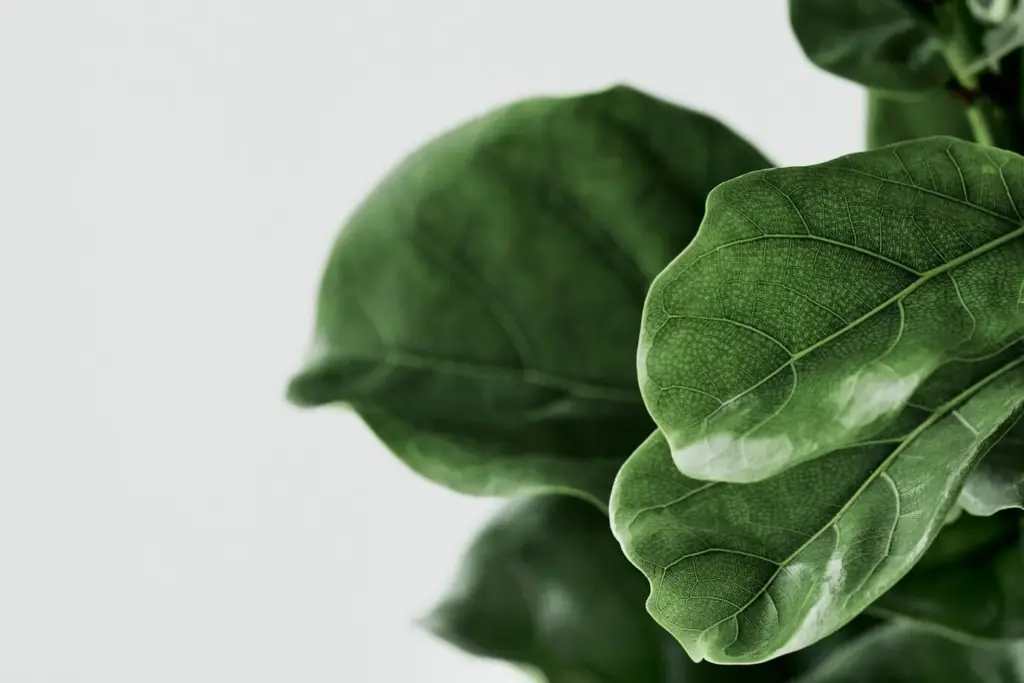
Set a conservative thermostat range, then use trays filled with pebbles and water to spike local humidity without soaking roots. Cluster high-humidity lovers together, while keeping succulents separate. Avoid sealed rooms; modest circulation preserves fungal balance and keeps moisture from pooling where gnats party uninvited.

Safe Airflow Without Stress

Position a small fan on a gentle, indirect setting, never blasting leaves. Aim across the room to create a soft current that dries surfaces after watering, deters mildew, and keeps pests uncomfortable. Mark speed settings with tape so helpers don’t accidentally create desert gusts or chilly drafts.

Pest and Disease Prevention When You’re Not Home

An ounce of prevention beats a quarantine fiasco. Clean leaves, refresh soil surfaces, and remove debris that houses pests. Install yellow sticky traps, consider beneficial nematodes or gentle systemics in advance, and isolate newcomers so you don’t return to webs, spots, and unhappy, exhausted greenery everywhere.

People and Tech: Building a Backup That Actually Works
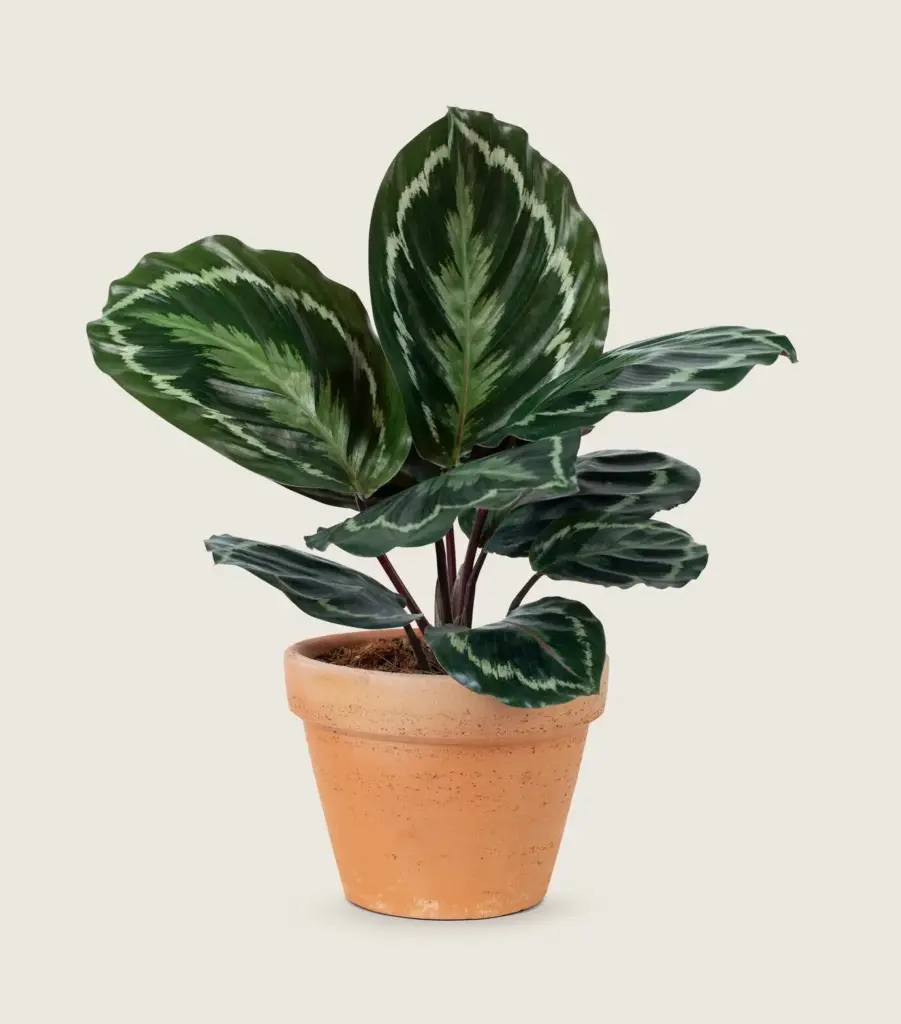
A thoughtful mix of human help and simple automation dramatically reduces risk. Clear instructions, labeled pots, and conservative settings beat elaborate, untested systems. The goal is fail-soft redundancy—if one piece falters, your plants continue coasting comfortably until you return with souvenirs and sleepy airport stories.

The Plant-Sitter Cheat Sheet

Write a one-page guide with photos, watering dates, light timers, and red flags like drooping tips or soggy soil. Label pots with names, needs, and emergency numbers. Leave a watering can pre-marked with fill lines, and promise a small gift to encourage that extra minute of care.

Sensors, Smart Plugs, and Timed Light

Wi‑Fi plugs handle lights reliably; pair them with simple soil moisture indicators rather than complex irrigation you cannot test. Name devices clearly, document schedules, and screenshot settings. Enable notifications but avoid constant pings, focusing on critical alerts only, so your helper isn’t drowned in beeps and confusion.

Return and Recover: Gentle Steps After the Trip

When you get back, resist the urge to flood every pot. Start with inspection, then hydrate gradually, rotate for even light, and trim crisp tips. Thank any helper, review notes, and adjust your systems so the next adventure feels even easier and beautifully predictable from the first packed bag.

Post-Trip Triage With Calm Eyes

Check soil moisture by weight and feel, not guesswork. Look under leaves, into crowns, and along stems for pests or fungal spots. Remove yellowed foliage, flush salts if needed, and take a day to observe before making major moves; patience prevents accidental overcorrections after long journeys.

Reviving the Parched or Waterlogged

For underwatered plants, rehydrate slowly using bottom watering until the root ball relaxes and drinks again. For soggy pots, aerate soil, tilt containers, and increase airflow. A measured approach saves roots, avoids edema, and returns the canopy’s posture without shocking already stressed tissues further.
Loronuzivokoza
Privacy Overview

This website uses cookies so that we can provide you with the best user experience possible. Cookie information is stored in your browser and performs functions such as recognising you when you return to our website and helping our team to understand which sections of the website you find most interesting and useful.