
Hands-Off Houseplant Care That Actually Works

How Water Moves Without You
Build Your First Wick Planter
Plants That Thrive With Minimal Intervention
Reliable Matches for Constant Moisture
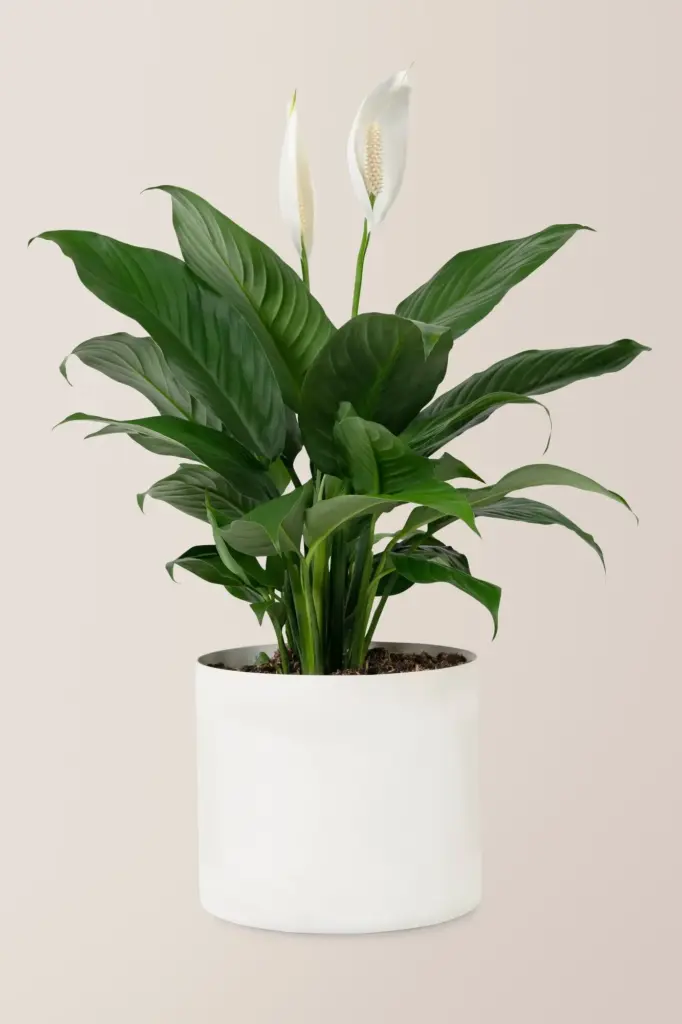
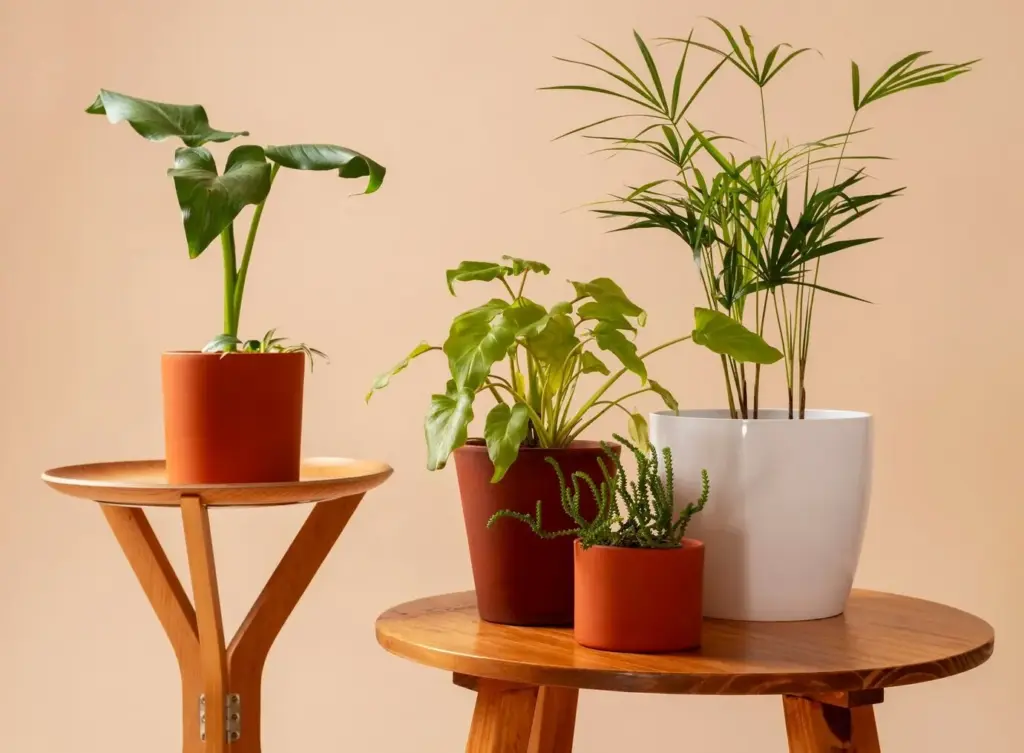
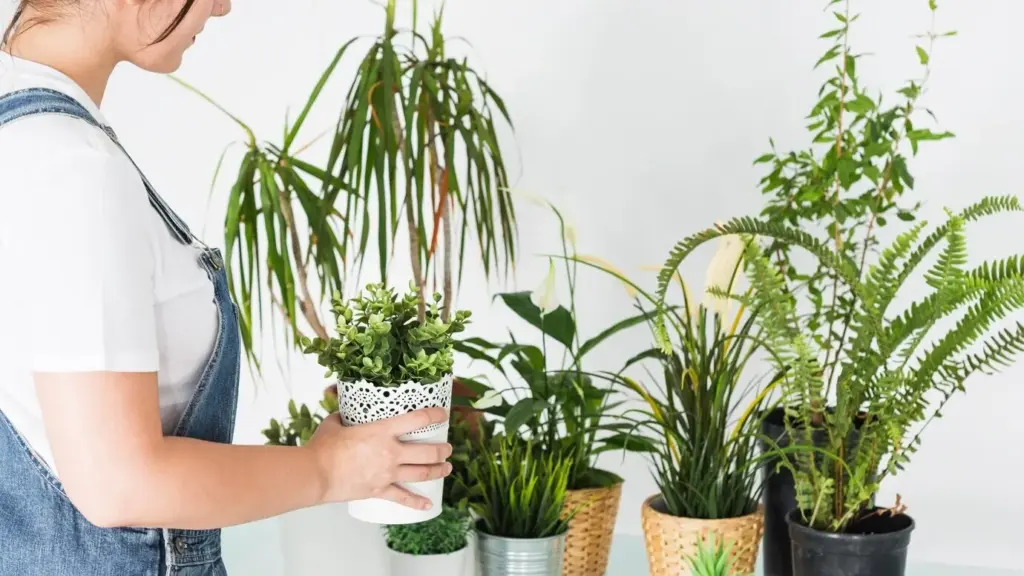
Peace lilies, pothos, philodendrons, syngoniums, and many ferns appreciate consistent hydration delivered by wicks. Herbs like mint and basil respond with lush growth, provided they receive adequate light. Spider plants and hoyas can adapt if the mix remains airy. Observe leaves for subtle signals: perkiness and steady expansion indicate success, while persistent droop suggests either insufficient wicking or inadequate root oxygen. Start with these cheerful companions to discover how minor adjustments produce big, forgiving gains in everyday care.
Proceed Carefully With Succulents and Cacti
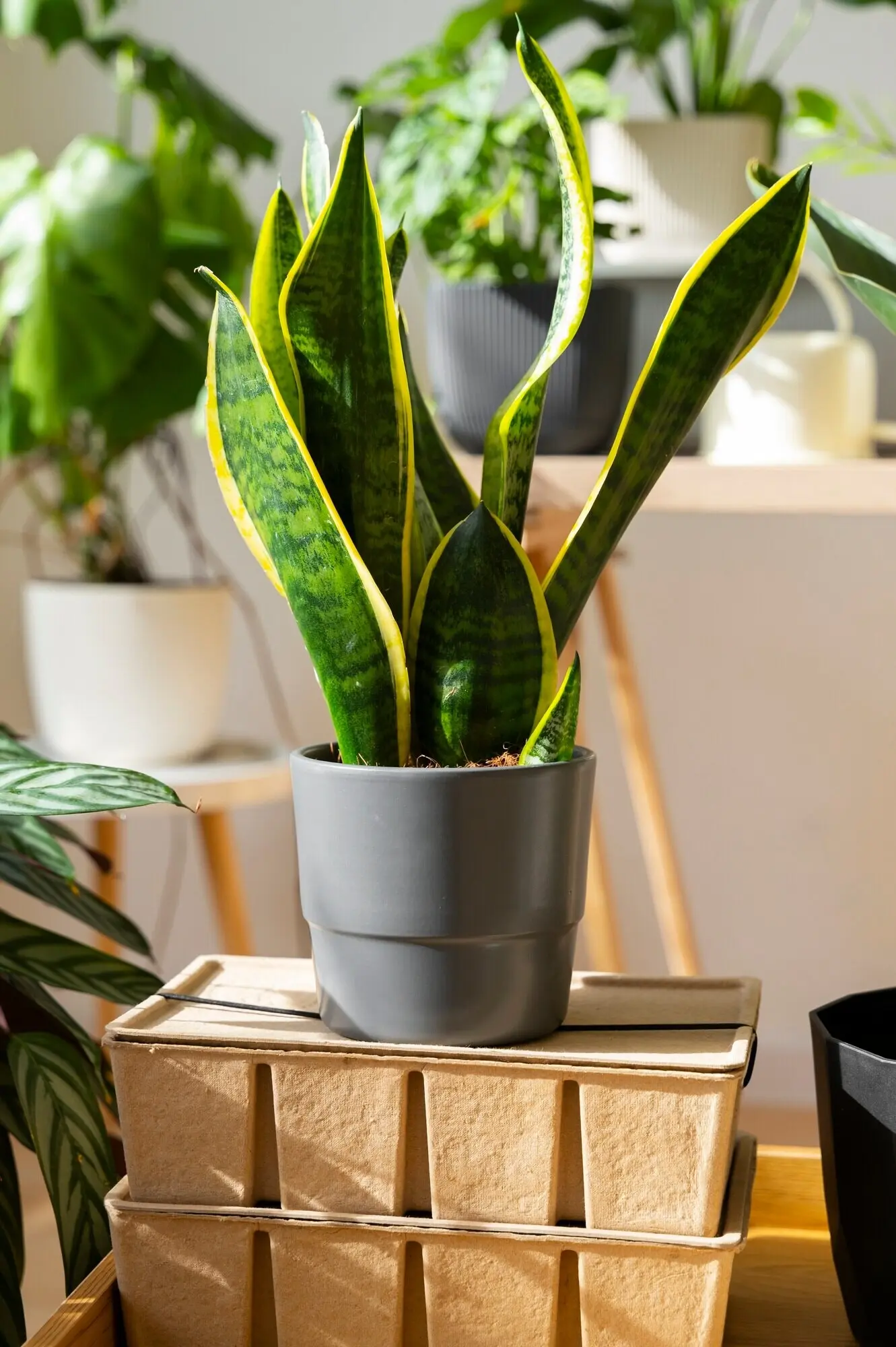
Desert-adapted plants dislike constantly moist roots, but you can still enjoy fewer watering chores with thoughtful design. Use a coarse, fast-draining mix and keep the wick small or intermittent, touching only a limited portion of the substrate. Consider semi-hydro media like LECA, where capillary action keeps lower layers slightly damp while upper roots remain airy. Build a smaller reservoir, extend refill intervals, and prioritize bright light. The goal is gentle access to moisture without erasing the dry periods these species expect.
Matching Light, Pot Size, and Water Demand
Water use accelerates with brighter light, warmer temperatures, active growth, and larger leaf area. A compact plant under low light sips slowly; a sunlit, vigorous specimen drains reservoirs surprisingly fast. Choose wick thickness and reservoir volume to match conditions rather than a fixed schedule. Smaller pots dry faster but respond quickly to adjustments; larger containers buffer changes but risk staying wet. Track patterns for two weeks, then tune your setup. Data-driven tweaks reduce guesswork, worry, and inconsistent, reactionary care.
Maintenance That Takes Minutes
Troubleshooting Like a Plant Detective
Beyond the Basics: Smarter, Greener Setups
All Rights Reserved.