Less Watering, More Wonder: Smarter Light, Soil, and Containers
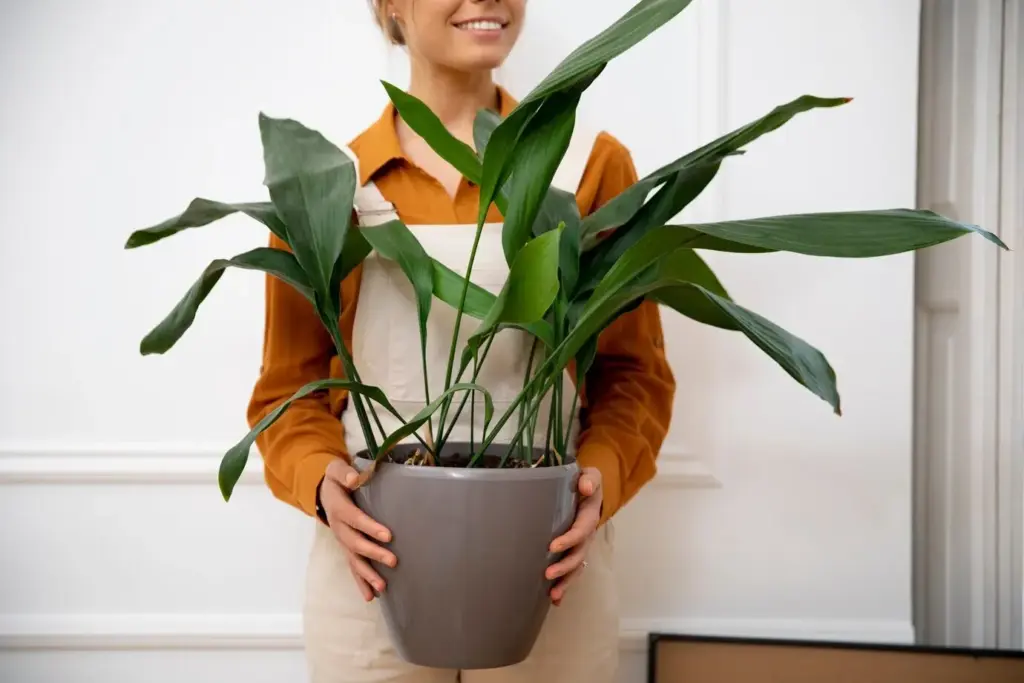
Today we explore optimizing light, soil, and containers to reduce daily plant upkeep, turning constant chores into calm, weekly rituals. By mapping sunlight, tuning mixes to hold moisture without suffocating roots, and choosing containers that manage water for you, everyday care becomes blissfully simple. I learned this after a trip away: a few tweaks, and my peace lily stayed perky, the soil evenly moist, and the schedule refreshingly predictable.

Map the Light, Tame the Schedule

Consistent light reduces thirsty, stressed plants and shortens your daily to‑do list. When intensity matches a plant’s appetite, growth steadies, foliage thickens, and watering intervals stretch naturally. Learn to read window orientation, seasonal angle shifts, and reflective surfaces so leaves bask, not bake. Add timers to make sunrise reliable. Fewer fluctuations mean fewer emergencies, calmer mornings, and the confidence to leave home without worrying about wilting.

Soil That Waters Itself—Almost

When the mix balances air, structure, and moisture retention, roots breathe and sip slowly, not gulp desperately. Think sponge, not sludge. A resilient blend resists compaction, wicks evenly from top or bottom, and holds nutrients without becoming swampy. The right particles can stretch watering from every day to every several days. This approach prevents hydrophobic dry‑outs, reduces fungus gnats, and makes every soak last longer with minimal fuss.

Containers That Do the Heavy Lifting

Self‑Watering Designs Explained

Sub‑irrigated planters store water below a false bottom and lift it upward through a wick or soil column. An overflow hole prevents overfilling. Top the mix with airy materials so capillary rise is balanced, not soggy. Refilling the reservoir every few days becomes your routine instead of daily surface watering. The root zone stays evenly moist, salts accumulate less at the crown, and plants cruise through hot spells with minimal oversight.

Terracotta, Plastic, Glazed: Choose Wisely

Sub‑irrigated planters store water below a false bottom and lift it upward through a wick or soil column. An overflow hole prevents overfilling. Top the mix with airy materials so capillary rise is balanced, not soggy. Refilling the reservoir every few days becomes your routine instead of daily surface watering. The root zone stays evenly moist, salts accumulate less at the crown, and plants cruise through hot spells with minimal oversight.

Size and Shape for Calm Roots

Sub‑irrigated planters store water below a false bottom and lift it upward through a wick or soil column. An overflow hole prevents overfilling. Top the mix with airy materials so capillary rise is balanced, not soggy. Refilling the reservoir every few days becomes your routine instead of daily surface watering. The root zone stays evenly moist, salts accumulate less at the crown, and plants cruise through hot spells with minimal oversight.

Watering Less Without Stress
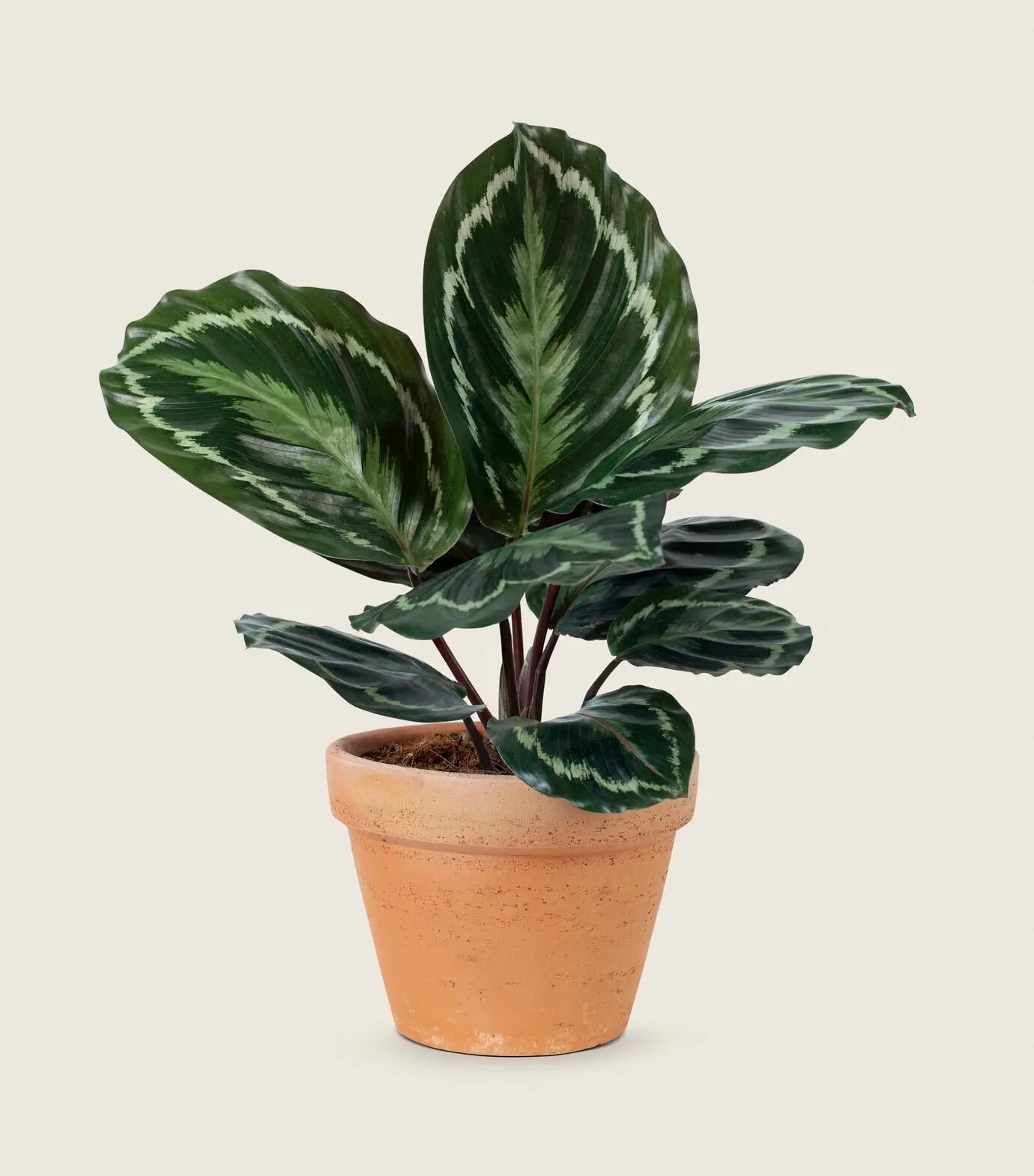
Fewer sessions can be healthier when each one is intentional. Saturate thoroughly, drain completely, and let the mix signal when it is time again. Even moisture beats frequent splashes that leave roots reaching. Learn the heft of pots, track seasonal slowdowns, and favor techniques that hydrate evenly. With the right rhythm, leaves stay glossy, soil resists crusting, and you gain back mornings for coffee rather than constant checks.

Deep, Slow Sessions Beat Sips

Water until liquid flows from the drainage holes, pause, then water once more to ensure the core is saturated. This encourages deep roots and longer intervals before the next drink. Quick sprinkles keep only the surface damp, inviting gnats and uneven growth. Use a watering can with a narrow spout to deliver precision, and let excess drain fully. The plant repays you with steadier schedules and fewer droops.

Bottom Watering for Even Moisture

Set pots in a tray of water for fifteen to thirty minutes and let capillary action do the work. The root zone hydrates uniformly without disturbing mulch or dislodging soil. This method limits splash, discourages fungus gnats, and creates longer, more predictable gaps between waterings. Finish with a brief top‑off if the surface feels dusty. It is remarkably hands‑off, yet leaves stay perky and growth remains balanced.

Know When to Wait

Use a wooden skewer or finger test two knuckles deep to assess moisture beneath the surface. Combine that with the pot’s weight and leaf language—mild curl, slight dullness, or slower perk after dawn. Track intervals on a calendar for two weeks, then adjust. Seasonal light shifts matter: winter slows thirst, summer speeds it. The goal is confidence in waiting, not guessing nervously each morning or evening.

Nutrition That Doesn’t Demand Attention
Feeding can be steady and calm rather than calendar‑heavy. Slow‑release granules, organic top‑dressings, and living soil partners supply nutrients gradually, reducing weekly mixes. Repotting on a sensible cadence refreshes cation exchange sites and resets structure. Avoid heavy salts that demand frequent flushing. With gentle, continuous nutrition, foliage thickens, blooms return on schedule, and you spend less time measuring, mixing, and worrying about midweek feedings or surprise deficiencies.

Set‑and‑Forget Feeding

Blend a modest dose of slow‑release fertilizer into the upper soil layer at the start of the growing season. As you water normally, nutrients trickle in, replacing weekly liquid schedules. For organic paths, top‑dress with worm castings and fine compost, then mulch to keep biology active. The plant receives steady nourishment while you avoid mixing bottles. Your attention shifts to observation and enjoyment instead of constant nutrient management.

Living Soil Allies

Inoculate with mycorrhizal fungi when potting up; these partners extend the root’s reach for water and phosphorus. Add biochar pre‑charged with compost tea to host beneficial microbes. Maintain gentle moisture and avoid harsh sterilizing practices. A thriving micro‑community stabilizes pH, buffers salts, and makes nutrition more available. Healthier roots mean more efficient water use, translating directly into fewer interventions and a low‑maintenance rhythm that feels pleasantly sustainable.

Designing a Low‑Maintenance Plant Corner

A thoughtful layout orchestrates light, humidity, and access so care happens almost automatically. Group similar drinkers together, place thirsty plants near reservoirs, and lift pots for airflow. Use shelving that catches runoff and carts that roll to the sink. Add timers, discreet wicks, and simple logs. The space looks inviting, the routine compresses into one pleasant session, and daily fuss dissolves into an easy, reliable ritual.
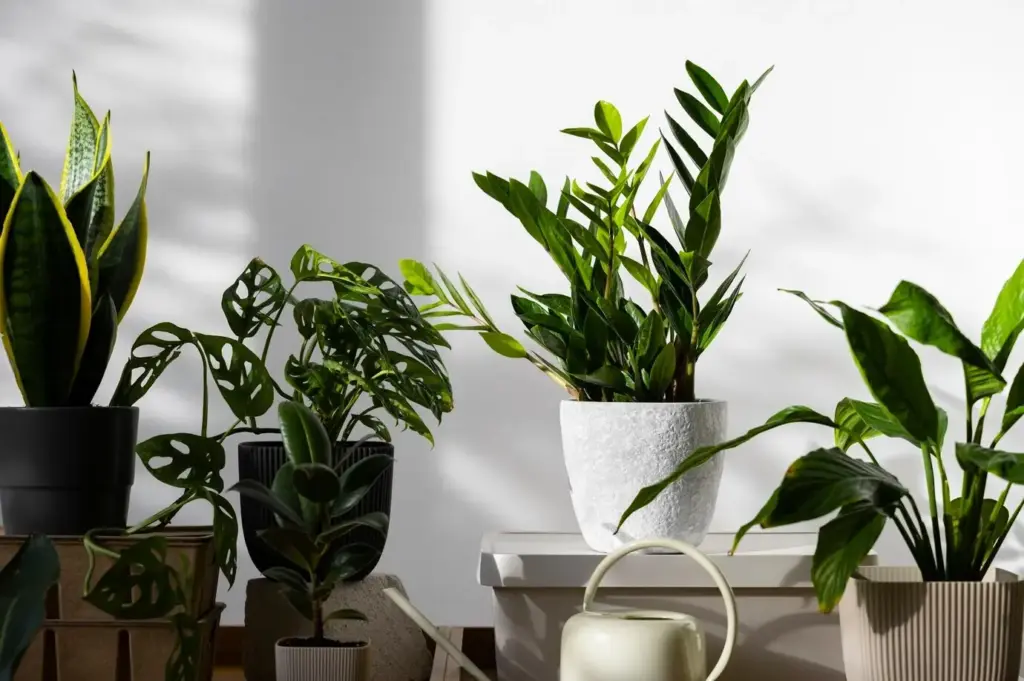
Cluster high‑light, high‑thirst foliage beneath the same fixture and schedule. Keep succulents together on a brighter, warmer shelf where terracotta shines. This prevents mismatched watering cycles that tug your attention in conflicting directions. With similar needs side by side, you water, feed, and rotate in batches. The visual harmony doubles as a practical cue, making it obvious when the whole group is ready and when patience will pay off.
Create gentle humidity with pebble trays or wide saucers positioned below, not touching roots. Tuck plants a foot from windows to soften drafts while preserving brightness. A small fan on low keeps leaves dry and strong without accelerating evaporation dramatically. Reflective backs on shelves even out light, so no one leans. These tiny nudges smooth environmental swings, extending intervals and protecting your schedule from sudden, thirsty surprises after hot afternoons.
Set smart plugs or outlet timers for grow lights, and consider capillary mats or discreet wicks for vacation weeks. Keep systems simple and test them before relying on them. A basic calendar reminder for reservoir refills and repot windows goes surprisingly far. The goal is fewer, better actions, not a tangle of gadgets. With the right balance, you enjoy reliable results and reclaim time for savoring every new leaf.
Loronuzivokoza
Privacy Overview

This website uses cookies so that we can provide you with the best user experience possible. Cookie information is stored in your browser and performs functions such as recognising you when you return to our website and helping our team to understand which sections of the website you find most interesting and useful.