Effortless Indoor Greenery for Hectic Workdays
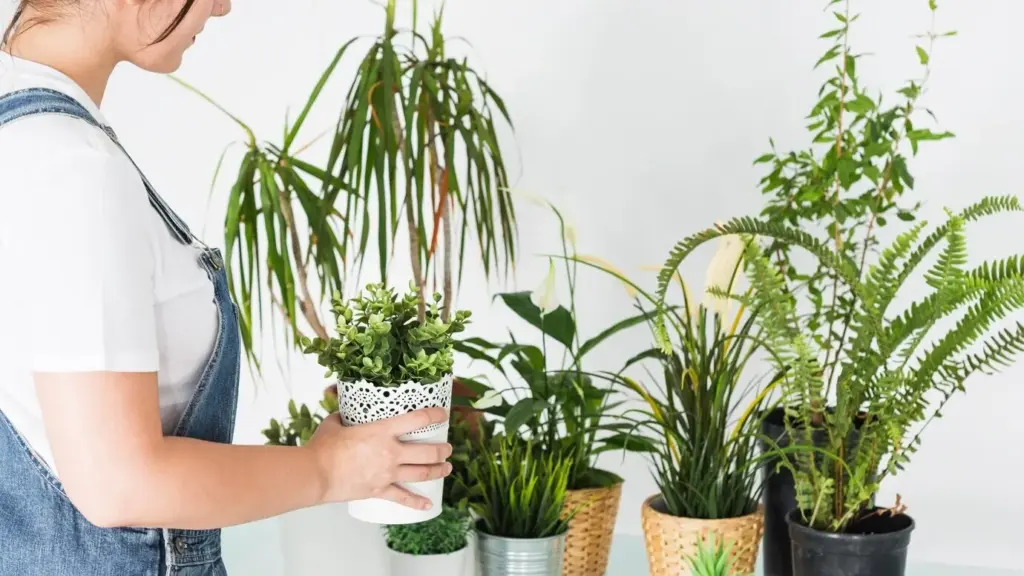
Today we dive into choosing low-maintenance indoor plants for busy professionals, bringing calm color and quiet focus to desks and living rooms without claiming precious minutes. You will find resilient choices, simple care rhythms, and tiny habit loops that survive late meetings, travel days, and weekend resets. Breathe easier, work clearer, and enjoy greenery that forgives neglect while still rewarding attention, so your schedule stays decisive and your space feels grounded, alive, and inviting.

What Truly Counts When Time Is Short

Success comes from setting smart constraints: plants that tolerate inconsistent watering, flexible light conditions, and real-life interruptions. Focus on species suited to low or medium light, slow growth, and thick leaves or rhizomes that store moisture. Pair them with breathable potting mixes, self-watering containers, and simple reminders, then arrange them where you actually sit, not where they look dramatic for five minutes. With a few deliberate choices, you gain lasting greenery that respects deadlines, commutes, and the occasional all-hands crisis.

Light Tolerance Without Guesswork

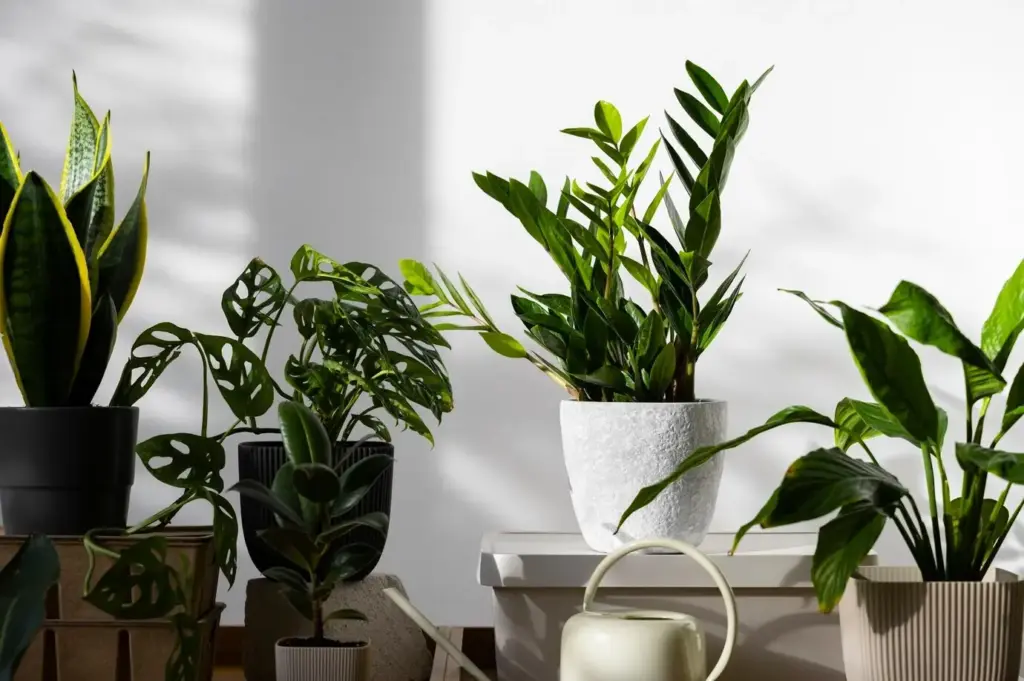
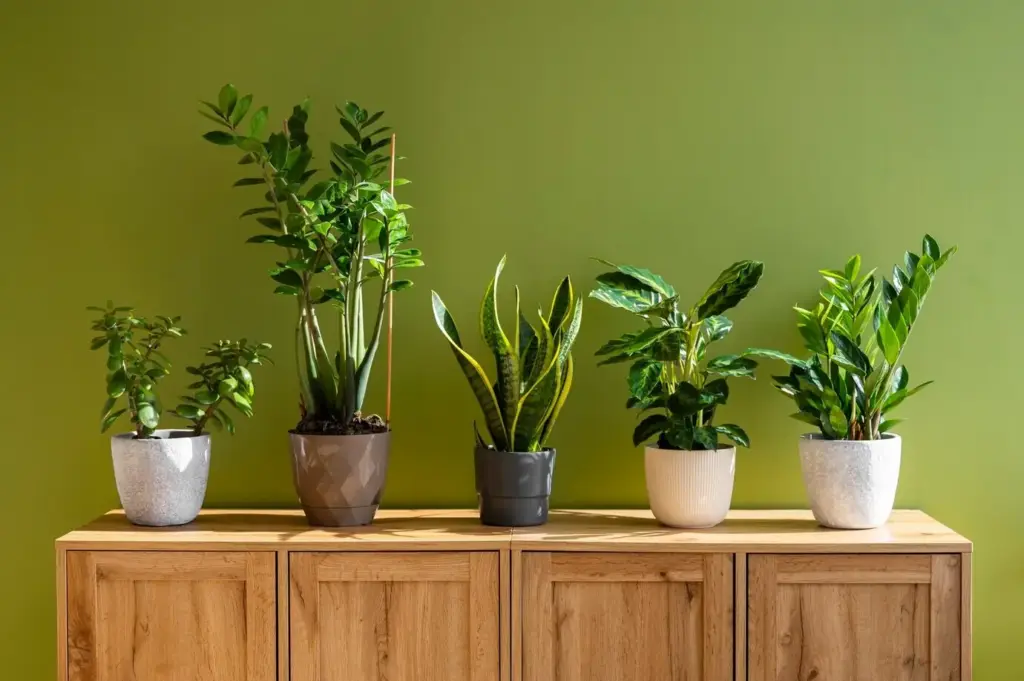
Choose plants proven to handle offices, hallways, and shaded corners: ZZ plants, snake plants, and pothos adapt to north-facing rooms and filtered daylight. Place them a few feet from windows, avoid harsh noon beams, and rotate quarterly for balanced growth. If the space is dim, add a discreet, timer-controlled LED. Aim for consistency over perfection, and let your eyes judge leaf color and shape rather than chasing lux numbers you’ll never measure on a busy Monday.

Watering Windows You Won’t Miss

Create wide, forgiving watering windows instead of tight schedules. Favor plants happy with every-two-to-four-week routines, then confirm with a finger test or a small moisture meter. Water deeply, let excess drain, and never leave roots sitting in a saucer. If you travel often, consider a self-watering reservoir or a capillary mat. Bundle watering with another weekly habit—calendar review, podcast time, or Friday wrap-up—so care happens automatically, even when your week loses shape.

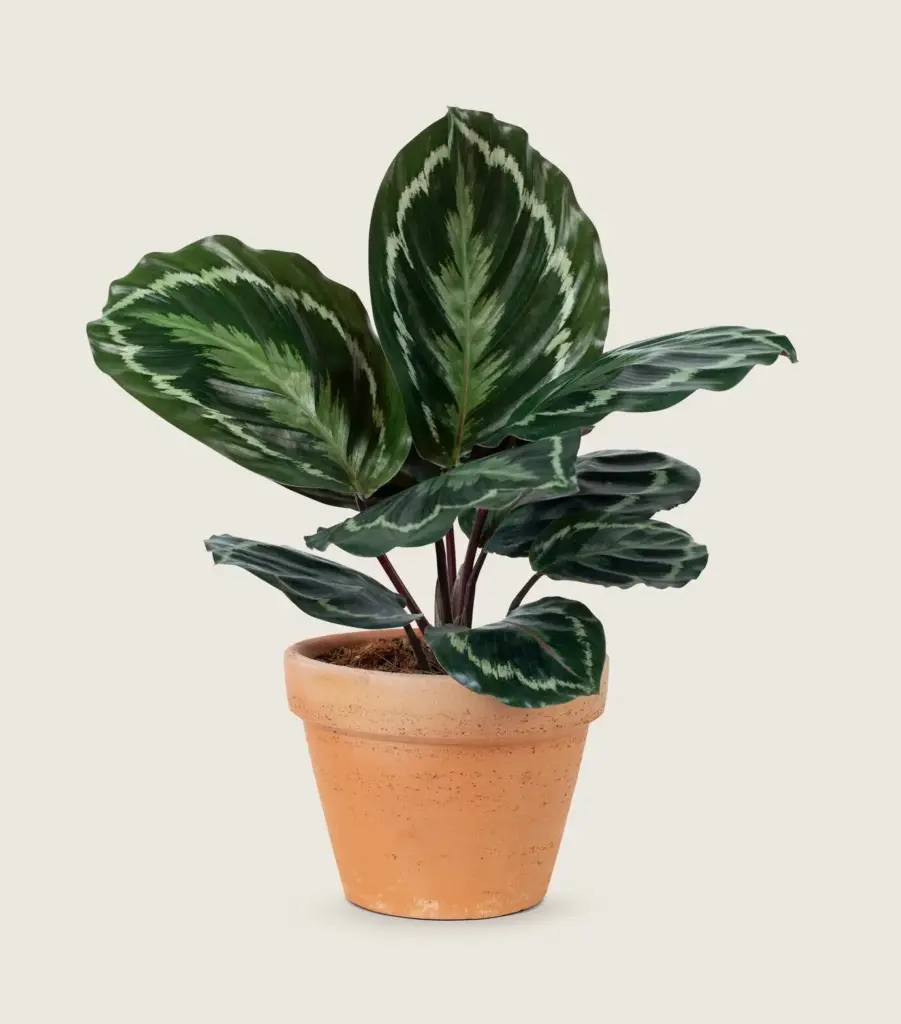
Five Resilient Picks You’ll Actually Keep Alive

Designing a Work-Ready Green Corner

Place tolerant plants slightly off to the side of screens to reduce glare and leave workspace clear. For north windows, move plants closer; for south windows, pull them back or filter midday sun with a shade. Avoid heating vents and gusty doors. Consider reflective surfaces that bounce gentle light inward. A simple timer-controlled LED can extend short winter days predictably. With a compact cart or shelf, you can group care tasks while keeping your desk refreshingly minimal.
Use timers for grow lights, not alarms that nag. Self-watering reservoirs reduce decision fatigue, and moisture meters offer clarity without spreadsheets. Create a tiny ritual—top off water while coffee brews, dust leaves during an audio briefing, rotate pots after a stand-up. Tuck extra soil, pruning scissors, and sticky notes nearby. Automation here supports attention, not replaces it, freeing mental space for creative work while ensuring plants receive steady, reliable care without daily negotiations.
Set a recurring calendar block for a fast, satisfying sweep: refill reservoirs, check soil with a finger, wipe two leaves per plant, prune a tired vine, and rotate a quarter turn. Toss any yellowing pieces, empty saucers, and glance for pests. In less time than an inbox triage, you refresh the entire setup. This micro-habit compounds weekly, keeping everything presentable and thriving. Momentum builds, stress drops, and your plants greet you like reliable, quiet teammates every Monday.

Wellbeing And Air: Benefits Without Myths
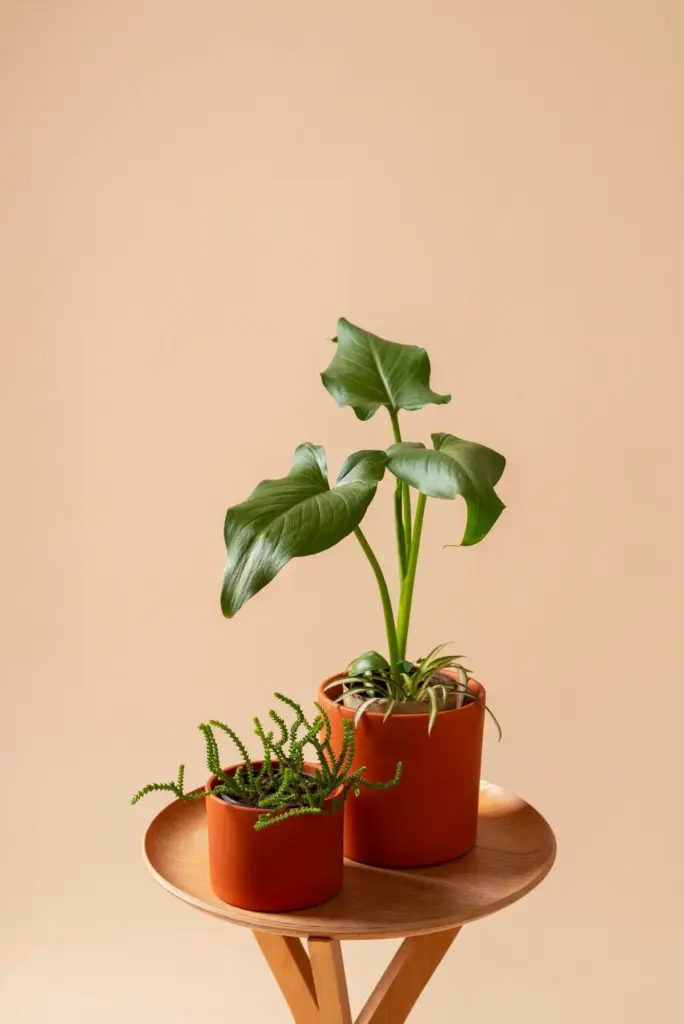
Plants can ease visual fatigue, support micro-breaks, and create gentle transitions between tasks, even if they are not replacements for ventilation systems. Think of them as small anchors for attention and mood. While soil and leaves won’t purify an entire office floor, they will cue deep breaths, offer texture that interrupts screen glare, and steady your pace when pressure mounts. Choose unscented varieties for shared spaces, and let the psychological benefits stack alongside practical comfort and rhythm.

Troubleshooting That Saves Your Plants And Calendar

Efficient troubleshooting relies on patterns, not panic. Start with light, moisture, and airflow before chasing obscure diagnoses. Photograph leaves monthly to spot changes early, and check under pots for hidden pests or soggy roots. Keep a minimalist kit—microfiber cloth, pruning scissors, neem, insecticidal soap, sticky traps—ready to deploy. Most issues can be addressed in minutes when caught early. Repair routines are short, decisive, and far less disruptive than starting over after preventable setbacks.

01

Yellowing, Browning, Or Droop?

Yellow often hints at overwatering or low light; browning edges suggest underwatering or dry drafts; droop may signal recent shock. Confirm with soil checks and light placement rather than guesswork. Trim damage cleanly, adjust watering interval by a week, and slide plants closer to windows or add a timer-controlled LED. Keep notes for a month to confirm improvement. Accurate, calm tweaks beat dramatic overhauls, protecting both confidence and calendar while preserving the steady progress you have built.

02

Pests You Can Beat In Ten Minutes

Fungus gnats signal overwatering; let soil dry deeper, add yellow sticky traps, and bottom-water temporarily. Spider mites dislike humidity and movement—mist leaves lightly, wipe undersides, and use insecticidal soap weekly until clear. Mealybugs surrender to alcohol swabs and patient repetition. Quarantine new plants for two weeks away from the main group. Short, consistent actions—rather than heroic, rare interventions—break cycles efficiently, keeping your collection tidy, functional, and ready to greet even the busiest morning with composure.

03

Repotting Without Mess Or Stress

Repot during active growth, typically spring, when plants recover fastest. Use a slightly larger pot with drainage and a light, well-aerated mix. Work over a tray, brush soil from roots gently, and avoid packing tightly. Keep the nursery pot for travel or future swaps. Water lightly, then return to the original light level for stability. Plan the whole process like a calendar block with clear steps. In under thirty minutes, you refresh roots and reset momentum gracefully.

Grow Your Collection Without Growing Your To-Do List

Expand slowly and intentionally. Favor plants that share similar light and watering needs so care batches naturally. Propagate easy vines for personal gifts, and keep a spare cutting on hand as a backup. Buy from reputable sources that label species and care accurately. Align new additions with your routines, not aspirational versions of your day. By keeping expectations humble and systems consistent, you gain variety, resilience, and joy—without adding pressure to weeks already filled with decisions and deliverables.

Low-Effort Propagation Wins

Pothos and philodendron cuttings root readily in water; refresh weekly, and plant once roots reach a few inches. For fuss-free starts, use perlite in a cup with a tiny drainage hole and bottom-water. Sanitize shears before every snip. Label dates so you track progress without memory strain. Propagation doubles as a calming ritual between meetings, and a source of easy, thoughtful gifts for teammates. New growth becomes living proof that minimal effort can still cultivate meaningful momentum.

Smart Shopping Habits

Inspect leaves for spots, webs, or sticky residue; peek at roots for firmness and healthy color. Choose sizes that fit your space today, not an imagined future shelf. Match care needs across your collection to reduce complexity. Keep a short quarantine period before mingling with existing plants. Prioritize hardy picks from local shops that acclimate well. With a small checklist and a calm pace, every purchase supports your systems, not your stress, ensuring long-term success and consistent enjoyment.
Loronuzivokoza
Privacy Overview

This website uses cookies so that we can provide you with the best user experience possible. Cookie information is stored in your browser and performs functions such as recognising you when you return to our website and helping our team to understand which sections of the website you find most interesting and useful.