
Smarter Houseplants, Happier Homes
How Sensors Understand Your Plants
Timers That Water and Light with Precision
Data‑Driven Plant Care Habits
Reading Trends to Catch Stress Early
Seasonal Adjustments and Vacation Mode
Voice Assistants and Automations
Stories from Real Apartments
A Traveler Saves a Fiddle‑Leaf Fig
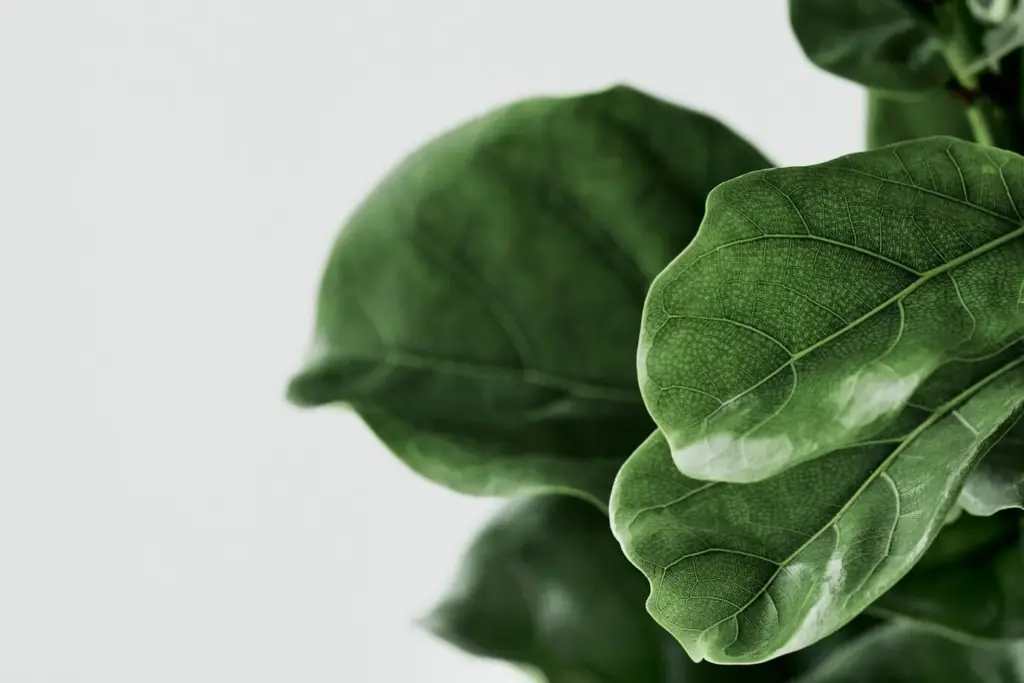
Gone for ten days, the owner once returned to crisp leaves and heartbreak. After installing a calibrated soil probe and minute-level pump timer, watering triggered twice, briefly, when readings dipped. Return day brought springy leaves and zero mess. The relief was tangible, and the confidence to schedule future trips grew. That single, quiet system turned a fragile relationship into a stable partnership between human rhythms and plant needs, sustained with measured, watchful kindness.
Tiny Studio, Big Propagation Dreams
Shelving, clip-on LEDs, and slim timers created a reliable nursery in a tight corner. Cuttings rooted faster under steady light, while a small fan on a schedule kept foliage dry enough to dodge fungus. The resident tracked moisture decay to learn which mixes held water too long. Over months, inexpensive sensors paid back in lush pothos strands and tradescantia bursts. The tiny lab felt joyful, scientific, and attainable, proving limited space can still grow abundance.
Kids, Curiosity, and Daily Alerts
A family turned notifications into science lessons. Each evening, children read moisture values, guessed whether watering would trigger, and checked the graph next day. They learned cause and effect compassionately, celebrating leaves unfurling rather than fearing failure. When the app suggested higher humidity for a fern, they timed a small humidifier before homework. Ownership deepened, and the home felt greener and calmer. Care became shared, playful, and consistent, strengthened by gentle technology and attention.
Maintenance, Security, and Sustainability
Calibrating and Care for Longevity
Protecting Data and Keeping Control
Power, Waste, and Responsible Choices
All Rights Reserved.